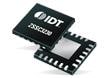



ZSC31010CEG1-R

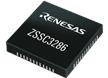
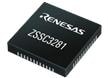
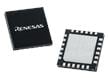
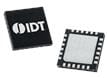
Images are for reference only
See Product Specifications
See Product Specifications
964-ZSC31010CEG1-R
ZSC31010CEG1-R
Mfr.:
Description:
Sensor Interface Sensor Signal Conditoner
Sensor Interface Sensor Signal Conditoner
Datasheet:
In Stock: 1,955
-
Stock:
-
1,955 Can Dispatch ImmediatelyAn unexpected error occurred. Please try again later.
-
Factory Lead Time:
-
18 Weeks Estimated factory production time for quantities greater than shown.
Pricing (GBP)
| Qty. | Unit Price |
Ext. Price
|
|---|---|---|
| Cut Tape / MouseReel™ † | ||
| £3.79 | £3.79 | |
| £2.96 | £29.60 | |
| £2.67 | £66.75 | |
| £2.38 | £238.00 | |
| £2.14 | £535.00 | |
| £2.12 | £1,060.00 | |
| £2.09 | £2,090.00 | |
| Full Reel (Order in multiples of 2500) | ||
| £2.07 | £5,175.00 | |
† A MouseReel™ fee of £3.50 will be added and calculated in your basket. All MouseReel™ orders are non-cancellable and non-returnable.
↩
Alternative Packaging
- CNHTS:
- 8542319090
- CAHTS:
- 8542310000
- USHTS:
- 8542390090
- KRHTS:
- 8542311000
- TARIC:
- 8542319000
- MXHTS:
- 8542310302
- ECCN:
- EAR99